

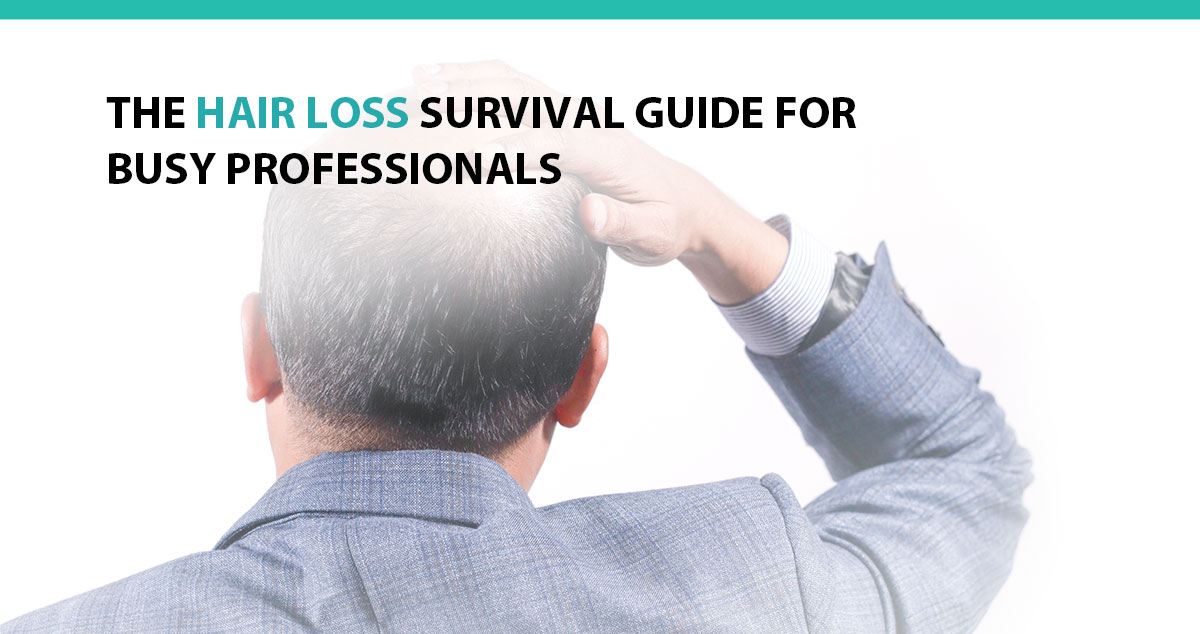
For many professionals, the first sign of hair loss doesn’t come from a mirror. It appears unexpectedly — on a Zoom call, under the harsh glow of office lighting, or in a photo taken at a conference. One day, you look up at your screen and notice something subtle but unsettling: your hairline isn’t quite what it used to be.
If you’re managing deadlines, leading teams, or balancing career growth with personal responsibilities, hair loss may feel like just another issue competing for your attention. But unlike many workplace challenges, hair loss does not pause while you focus on other priorities. It progresses quietly, often accelerating during the very years when confidence and presentation matter most.
This guide is designed to help busy professionals understand what’s happening, what to watch for, and how to act strategically — without disrupting their careers or daily routines.
Why Stress and Poor Sleep Can Accelerate Hair Thinning
High-achieving professionals are no strangers to long hours, travel, or high-pressure decision-making. While these demands may be part of success, they can also contribute to hair thinning through hormonal and physiological pathways.
Chronic stress increases cortisol levels, which can disrupt the natural hair growth cycle. Over time, this may push more follicles into a resting phase, leading to noticeable shedding. Sleep deprivation compounds the issue by reducing the body’s ability to repair and regenerate cells, including those responsible for hair growth.
This doesn’t mean every stressful project leads to hair loss. But for individuals genetically predisposed to thinning, stress and poor sleep can accelerate an already unfolding process.
The Subtle Signs You Might Notice at Work
Hair loss rarely begins dramatically. Instead, it reveals itself in small ways that are easy to dismiss:
- A widening part visible under bright office lighting
- Increased scalp visibility on video calls
- Hair that appears thinner in professional headshots
- A receding hairline noticed in reflective surfaces or elevators
- Styling habits that suddenly require more effort
These early indicators are often the best time to seek guidance. Addressing hair loss early provides more options, more flexibility, and more natural long-term outcomes.
Why Busy Professionals Often Delay Taking Action
Ironically, those who are most capable of planning ahead often postpone addressing hair loss. Common reasons include:
- Assuming the issue is purely cosmetic
- Believing there isn’t enough time to explore solutions
- Uncertainty about recovery or scheduling
- Concerns about discretion in the workplace
In reality, modern hair restoration is designed with real-life demands in mind. Consultations are informative and confidential, and treatment plans are tailored to fit individual schedules.
How Hair Restoration Fits Into a Professional Lifestyle
One of the biggest misconceptions about hair restoration is that it requires extensive downtime. While every case is unique, many professionals are surprised to learn how manageable recovery can be.
Procedures such as Follicular Unit Transfer (FUT) and Follicular Unit Excision (FUE) are planned with long-term efficiency in mind. Strategic scheduling — such as aligning procedures with weekends, remote work periods, or vacation time — allows patients to minimize disruption to their responsibilities.
Post-procedure visibility can also be managed with thoughtful styling, temporary adjustments to grooming routines, or simply by leveraging flexible work arrangements that are now commonplace in modern workplaces.
For many patients, the recovery period is less disruptive than anticipated — and far less disruptive than the ongoing psychological impact of progressive hair loss.
Acting Early Preserves Options and Outcomes
Hair loss is not static. It evolves based on genetic predisposition, age, and lifestyle factors. Waiting until thinning becomes severe may limit the ability to achieve the most natural results.
Early consultation allows for:
- Strategic planning based on future hair loss patterns
- Preservation of donor hair for long-term restoration
- Exploration of non-surgical options when appropriate
- Customized design that aligns with facial structure and professional image
Taking action early is not about urgency — it’s about informed decision-making and long-term confidence.
Confidence and Professional Presence
In competitive professional environments, confidence influences communication, leadership perception, and overall presence. While skill and expertise remain the foundation of success, appearance can subtly shape how individuals feel and are perceived.
Hair restoration is not about vanity. It’s about alignment — ensuring that how you look reflects how you feel internally. For many professionals, restoring a natural hairline contributes to renewed self-assurance in meetings, presentations, and everyday interactions.
A Strategic Investment in Yourself
Professionals routinely invest in continuing education, personal development, and physical wellness. Addressing hair loss can be viewed through the same lens: a long-term investment in personal confidence and professional vitality.
With modern techniques and individualized planning, hair restoration can be integrated into a busy lifestyle with minimal disruption and lasting benefits.
If you’ve begun to notice subtle changes and want to explore your options, scheduling a consultation is a practical first step.
Call 702-257-0888 (Las Vegas) or 888-357-0888 (toll-free) to speak with the team at Advanced Medical Hair Institute. Together, you can develop a plan that fits your schedule, your goals, and your vision for the future.
 ICONIER Digital Agency