

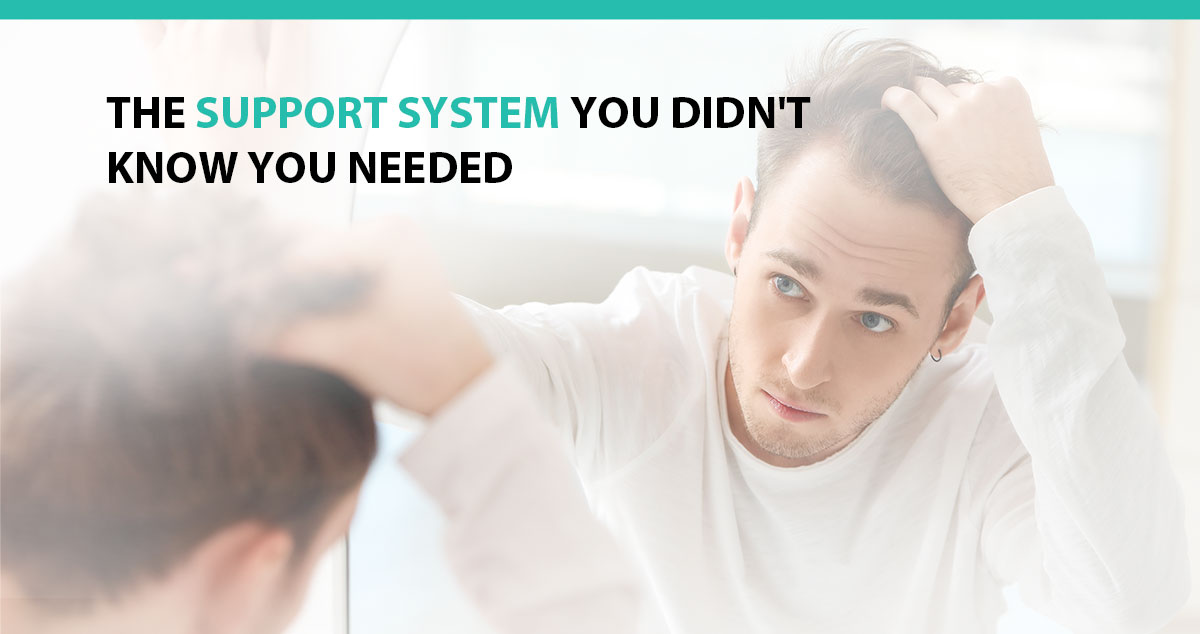
Hair loss can affect more than your physical appearance. For some people, it can influence self-confidence, social interactions, and the way they feel about themselves. Whether you are experiencing early thinning, a receding hairline, or more noticeable hair loss, having the right support system can make the experience easier to navigate.
A strong support system may include trusted family members, friends, qualified healthcare professionals, mental health counselors, and people who have experienced similar concerns.
You do not have to manage every part of your hair-loss journey alone. The right support can help you understand your condition, explore appropriate treatment options, and make decisions that feel comfortable for you.
In this guide, we explain how to build a support system, where to find reliable guidance, and how to take care of your emotional well-being while addressing hair loss.
Why Is Emotional Support Important During Hair Loss?
Hair is closely connected to personal appearance and identity for many people. Changes in hair density, a receding hairline, or noticeable thinning can sometimes affect how individuals feel about their appearance.
People experiencing hair loss may face different emotional challenges, including:
- Reduced self-confidence.
- Feeling uncomfortable in photographs.
- Hesitation about social activities.
- Worry about changes in appearance.
- Frustration when treatments do not produce expected results.
- Uncertainty about which treatment options to consider.
Not everyone experiences these feelings, and hair loss does not have the same emotional impact on every individual.
However, when hair changes become a source of ongoing stress, having someone to talk to and access to reliable guidance can be helpful.
The goal of a support system is not simply to encourage hair restoration. It is to help you feel informed, understood, and comfortable making decisions about your health and appearance.
5 Ways to Build a Strong Support System During Hair Loss
1. Talk to Someone You Trust
One of the simplest ways to begin building a support system is to speak with someone you feel comfortable around.
This could be a friend, family member, partner, or someone who listens without judging your concerns.
You do not need to share every detail immediately. Even explaining that you have noticed changes in your hair and are unsure what to do next can be a useful starting point.
A supportive person can help you:
- Express concerns without feeling judged.
- Discuss changes in your appearance.
- Think through treatment decisions.
- Manage appointments and follow-up visits.
- Feel less alone while exploring your options.
Try to choose someone who respects your decisions rather than someone who pressures you to hide, treat, or change your appearance.
2. Seek Guidance From a Qualified Hair Loss Specialist
Emotional support is valuable, but understanding the medical cause of hair loss is equally important.
Hair thinning can develop for several reasons, including hereditary factors, hormonal changes, nutritional deficiencies, medical conditions, and temporary shedding.
A qualified dermatologist or hair restoration physician can help assess your condition and explain the available options.
During a consultation, the professional may:
- Review your medical and family history.
- Examine your scalp and hair density.
- Identify possible causes of thinning.
- Recommend additional testing when necessary.
- Discuss suitable medical or surgical options.
- Explain possible risks, benefits, and limitations.
Having accurate information can reduce uncertainty and help prevent unnecessary spending on products or treatments that may not address your actual condition.
3. Consider Professional Emotional or Mental Health Support
Sometimes, the emotional effects of hair loss become more difficult to manage.
You may notice ongoing worry about your appearance, avoidance of social situations, or difficulty feeling comfortable with changes in your hair.
Speaking with a licensed mental health professional or counselor may help you work through these concerns.
Professional support can provide an opportunity to:
- Discuss changes in self-image.
- Manage appearance-related stress.
- Build healthier coping strategies.
- Address anxiety associated with social situations.
- Develop a more balanced perspective on personal appearance.
Seeking counseling does not mean something is wrong with you. It is simply another way to access support when a situation becomes emotionally challenging.
4. Connect With People Who Understand Hair Loss
Talking with others who have experienced hair loss can help you understand that you are not the only person navigating these concerns.
Patient communities, support groups, and moderated online forums can provide opportunities to share experiences and learn about different journeys.
These communities may help you:
- Understand how others approached hair loss.
- Share practical experiences with treatments.
- Discuss concerns about consultations and procedures.
- Learn how people manage changes in their appearance.
- Find encouragement from others facing similar challenges.
When choosing an online community, consider whether it protects member privacy and encourages respectful discussions.
Be careful with medical advice shared by strangers. Personal experiences are not substitutes for professional diagnosis or treatment recommendations.
For people experiencing alopecia areata, the National Alopecia Areata Foundation offers condition-specific educational and community resources.
5. Bring Someone You Trust to Your Hair Restoration Consultation
Medical consultations can involve a lot of information, especially when you are comparing different treatment options.
Consider bringing a trusted person to your appointment when permitted by the clinic.
Having someone with you may help you:
- Remember important questions.
- Understand treatment explanations.
- Take notes about recommended options.
- Discuss costs and recovery expectations afterward.
- Feel more comfortable during the appointment.
You should remain the decision-maker throughout the process.
A supportive companion can help you understand the information, but treatment decisions should reflect your own goals, medical needs, and preferences.
How Can Family and Friends Support Someone Experiencing Hair Loss?
Supporting someone dealing with hair loss does not require having all the answers.
Sometimes, simply listening and showing understanding can make a meaningful difference.
Here are a few practical ways to offer support.
Listen without minimizing their concerns
Avoid dismissing hair loss with comments such as “It is only hair” or “Nobody notices it.”
Although you may intend to reassure someone, such statements can make them feel that their concerns are not being taken seriously.
Avoid unwanted comments about appearance
Repeatedly discussing someone’s hairline, bald spots, or thinning can make them uncomfortable.
Allow them to decide when they want to discuss their appearance.
Respect their treatment decisions
Some people may explore medical treatments, while others may prefer to accept their natural appearance.
Both choices deserve respect.
Offer practical assistance
You could help them research qualified healthcare professionals, accompany them to an appointment, or simply spend time with them when they need encouragement.
Celebrate progress beyond appearance
Remember that a person’s confidence, personality, relationships, and achievements are not defined by their hair.
Support should help people feel valued beyond physical changes.
Practical Ways to Maintain Emotional Well-Being During Hair Loss
Building a support system is important, but everyday habits can also help you navigate the experience.
1. Focus on What You Can Control
Hair-loss treatment outcomes are not always predictable.
Instead of worrying constantly about future changes, focus on practical steps such as arranging an appropriate assessment, following medical guidance, and maintaining a suitable hair care routine.
2. Avoid Constantly Comparing Yourself With Others
Hair loss develops differently for everyone.
Comparing your hair density or treatment results with photographs on social media can create unrealistic expectations.
Remember that lighting, styling, image editing, and different treatment timelines can influence how results appear.
3. Set Realistic Treatment Expectations
Hair restoration treatments require patience.
Some medical treatments take several months before changes become noticeable, while surgical hair transplantation involves a recovery and growth timeline.
Ask your healthcare professional what you can realistically expect and how your progress will be evaluated.
4. Maintain Healthy Daily Routines
Balanced nutrition, adequate sleep, physical activity, and gentle hair care support general health.
These habits cannot guarantee that hereditary hair loss will stop, but they can help you maintain your overall well-being.
5. Give Yourself Time to Make Decisions
You do not need to choose a treatment immediately after noticing hair loss.
Take time to understand your diagnosis, compare appropriate options, and ask questions.
A well-informed decision is more valuable than a rushed decision based on fear or pressure.
What Should You Do When Hair Loss Starts Affecting Your Confidence?
If changes in your hair are affecting your confidence, start by identifying what concerns you most.
For some individuals, the main concern is a receding hairline. Others may feel uncomfortable about thinning around the crown or a widening hair part.
Depending on the situation, possible next steps include:
- Documenting changes with photographs.
- Arranging a medical assessment.
- Understanding the underlying cause.
- Discussing available treatment options.
- Speaking with a trusted person or counselor.
- Setting realistic expectations for any treatment.
It is also important to understand that hair restoration is a personal choice, not an obligation.
Some individuals choose medical management, some explore surgical procedures, and others decide that accepting their natural appearance is the right option.
The appropriate decision is the one that aligns with your needs and preferences.
When Should You Seek Professional Support?
Consider seeking additional support when hair loss becomes a persistent source of emotional distress or begins affecting your everyday activities.
Signs that additional support may be helpful include:
- Avoiding social situations because of your appearance.
- Persistent worry about changes in your hair.
- Difficulty sleeping because of appearance-related concerns.
- Ongoing frustration or reduced self-confidence.
- Feeling overwhelmed by treatment decisions.
- Difficulty managing uncertainty about your hair-loss condition.
A healthcare professional can help identify appropriate medical care, while a mental health professional can provide support for emotional concerns.
If you experience sudden bald patches, rapid hair loss, or scalp pain and inflammation, seek medical evaluation promptly.
Frequently Asked Questions About Emotional Support During Hair Loss
1. Can hair loss affect emotional well-being?
Yes. Some individuals experience reduced self-confidence, frustration, anxiety, or social discomfort due to hair loss. However, the emotional impact varies from person to person.
2. How can I cope with hair loss emotionally?
Start by speaking with someone you trust, understanding the cause of your hair loss, and exploring appropriate support resources. Professional counseling may also help when appearance-related distress becomes difficult to manage.
3. Should I tell my family and friends about my hair loss?
That decision is entirely personal. Sharing your concerns with trusted people may help you feel understood and supported, but you are not obligated to discuss your hair loss with anyone before you feel comfortable.
4. Are there support groups for people experiencing hair loss?
Yes. Several patient communities and organizations provide educational resources and opportunities to connect with people who have experienced different forms of hair loss. Some resources focus on specific conditions, such as alopecia areata.
5. Can a hair restoration consultation help reduce uncertainty?
A consultation can help explain possible causes, treatment options, risks, and expectations. It provides medical information that may help you make a more informed decision.
6. Should I bring someone to my hair restoration appointment?
You may find it helpful to bring a trusted friend or family member, provided the clinic permits it. They can help you remember questions and understand the information discussed.
7. Is choosing a hair transplant necessary to regain confidence?
No. Hair transplantation is a personal treatment option for selected patients. Other people may choose medical management, cosmetic alternatives, or no treatment at all.
8. When should I consider counseling for hair-loss-related concerns?
Consider professional counseling when worries about hair loss persist, interfere with daily activities, or negatively affect your relationships and overall well-being.
You Don’t Have to Navigate Your Hair Loss Journey Alone
Hair loss can raise questions about appearance, confidence, and future treatment decisions. Having the right people around you can help make those decisions easier to understand and manage.
A supportive friend, a qualified healthcare professional, a counselor, or a patient community may each provide a different kind of assistance.
At Advanced Medical Hair Institute in Las Vegas, Dr. Joseph L. Williams and the team provide personalized hair restoration consultations for individuals exploring their options.
Whether you are experiencing early thinning, researching medical treatments, or considering a hair transplant, understanding your condition is an important first step.
You deserve clear information, realistic expectations, and professional guidance throughout your hair restoration journey.
Contact Advanced Medical Hair Institute to discuss your concerns and explore the options appropriate for your individual needs.
 ICONIER Digital Agency