



Hair loss isn’t a fixed journey. It changes as you change. Your lifestyle, hormones, stress levels, health, and genetics all shape the story your hair tells over time. And just like the milestones we expect in each decade of life, hair loss follows its own predictable patterns.
At Advanced Medical Hair Institute, we see patients in their 20s, 30s, 40s, and 50s who walk in with very different concerns, and even more importantly, very different treatment opportunities. The key – just as we emphasize in The Sooner, The Better – is understanding what’s happening now so you protect what you’ll have later.
Here’s how hair loss tends to unfold decade by decade, and what you can do at each stage to stay in control.
Your 20s: The First Whisper of Change
For many, the earliest signs of hair thinning begin here, even if it feels “too early.” Genetics start to express themselves, especially in men with early-onset male pattern baldness. You may notice:
- slight temple recession
- a widening part
- thinner ponytails
- heavy shedding during stress cycles
- hairline changes visible in selfies or video calls
This is also the decade where lifestyle habits do more damage than you think. Poor sleep, chaotic diets, excessive styling, and stress can all contribute to what we explored in When Hair Loss Isn’t Genetic.
Ideal treatments in your 20s include:
- Hair MD Rx
- medical therapy to stabilize early loss
- nutrition optimization
- Low-Level Laser Therapy (LLLT)
- early planning for future density
- avoiding aggressive hairstyles or chemical damage
And for patients with clear genetic patterns, preventive treatment is your best friend. The earlier you act, the more hair you keep…and the more natural your results look over time.
Your 30s: The “Wait… Was That Always There?” Decade
Your 30s are when hair loss becomes harder to ignore. Stress piles up (career, family, finances, lifestyle changes), and your hair often reflects that. This decade frequently includes:
- accelerated temple recession
- early crown thinning
- slow miniaturization
- increased shedding from stress or hormones
- postpartum thinning in women
This is also the decade when people begin to see themselves on camera constantly, something we discussed in Zoom, Filters, and Hairlines. Suddenly, that thinning region is highlighted by bad lighting and high-definition screens.
Ideal treatments in your 30s include:
- medical hair maintenance
- LLLT for strengthening follicles
- FUT or FUE for visible recession
- Scalp Micropigmentation (SMP) for density
- lifestyle and hormonal evaluation
A well-designed hairline at this age is an investment – emotionally, professionally, and psychologically. As emphasized in You Deserve Nice Things, restoring your hair isn’t about vanity. It’s about feeling like your true self again.
Your 40s: When Time Speeds Up
Your 40s are often the most noticeable decade for change. Both men and women experience shifts in hormones, metabolism, and nutrient absorption. Androgenetic alopecia, if present, can accelerate here.
Common patterns include:
- crown expansion
- frontal thinning
- diffuse shedding
- reduced hair shaft diameter
- visible worsening in photographs
For women, perimenopause may trigger significant shedding or thinning. For men, genetically-driven recession and crown loss often become much more pronounced.
This is also the decade many patients say something like:
“I wish I had taken action sooner.“
As described in Taking Action on Hair Loss, waiting too long can limit options. But the good news? Even in your 40s, there are powerful solutions.
Ideal treatments in your 40s include:
- FUT for maximum density and graft yield
- FUE for targeted refinement
- combination medical + surgical strategies
- density enhancement with SMP
- LLLT to support weakened follicles
This decade is all about restoring what time has taken, and doing it in a way that looks natural, age-appropriate, and long-lasting.
Your 50s: The Decade of Reinvention
By your 50s, you’ve lived enough life to know exactly how you want to feel and how you want to present yourself. Many patients in this age group arrive not because they’re suddenly losing hair, but because they’re suddenly ready to do something about it.
Thinning at this age is often:
- hormonally influenced
- cumulative
- influenced by health changes
- more diffuse
But it’s also incredibly treatable with the right plan.
Ideal treatments in your 50s include:
- FUT for full-scale transformation
- FUE for finer, artistic refinement
- SMP for the appearance of density
- medical therapy for long-term maintenance
- holistic evaluation of scalp, hormones, and lifestyle
Patients in their 50s are often shocked (in the best way) by how dramatically a restored hairline affects their confidence. Investing in yourself is one of the most empowering decisions you can make – especially when you’ve spent decades taking care of everyone else.
No Two Journeys Are the Same, But Every Decade Matters
Whether you’re 25 or 55, your hair loss story is unique. But the pattern is universal:
**The earlier you act, the more options you have. The later you act, the more precision you need.**
And the good news? At every stage, there are solutions.
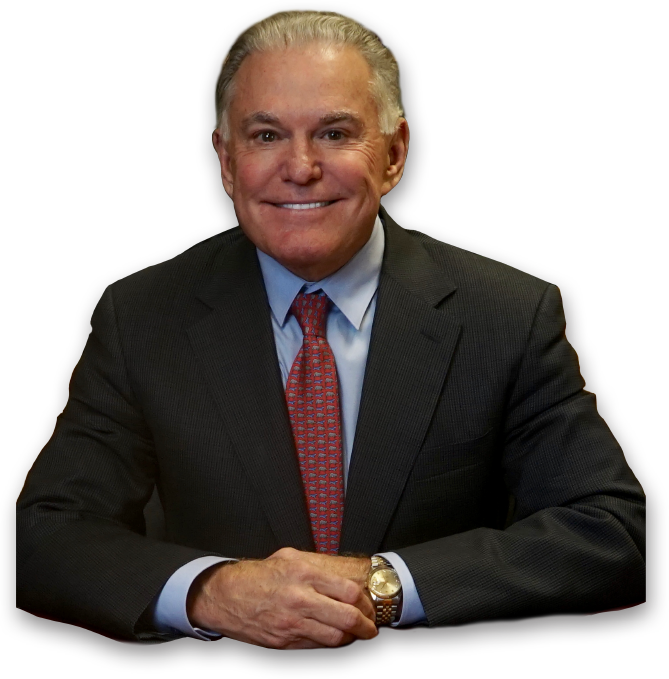
With over 15 years of experience, Dr. Joseph L. Williams blends medical precision with true artistic skill to create natural, age-appropriate results that restore more than just hair; they restore confidence.
If hair loss is starting to tell a story you didn’t choose, now is the time to take the pen back.
Call 702-257-0888 (Las Vegas) or 888-357-0888 (toll-free) to schedule your private consultation and receive a plan tailored to your decade, your goals, and your future.