

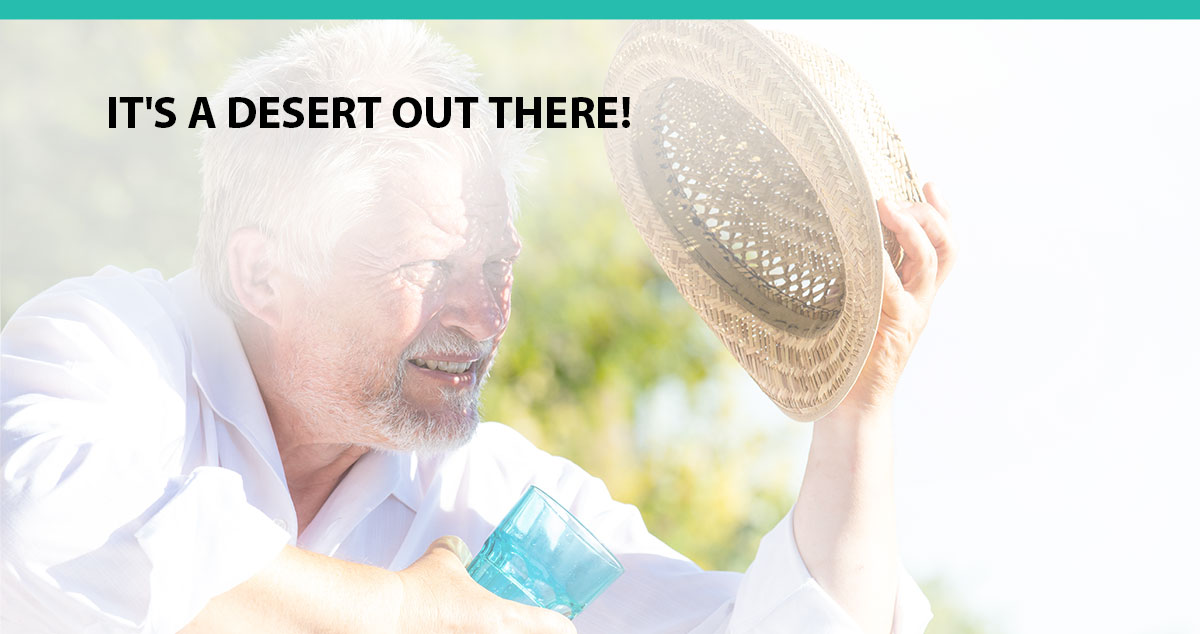
Living in Las Vegas comes with plenty of sunshine, warm weather, and beautiful desert surroundings. However, the same desert environment can create challenges for maintaining healthy-looking hair and a comfortable scalp.
Low humidity, prolonged sun exposure, and high temperatures can contribute to dry hair, scalp irritation, and increased hair breakage. These environmental conditions may affect how your hair looks and feels, especially when combined with frequent heat styling or harsh hair care products.
Although living in a desert climate does not automatically cause hereditary hair loss, understanding how environmental factors affect your hair can help you build a better hair care routine.
In this guide, we explore how the Las Vegas climate affects hair and scalp health and share practical ways to protect your hair throughout the year.
How Does the Las Vegas Desert Climate Affect Your Hair?
The desert environment presents several conditions that can influence hair condition and scalp comfort.
1. Low Humidity Can Contribute to Dry Hair
Las Vegas is known for its dry desert climate, where low humidity can contribute to moisture loss from the hair shaft.
When hair becomes excessively dry, it may feel rough, look dull, and become more difficult to manage. Dry hair is also more susceptible to tangling, split ends, and breakage.
Low humidity can affect scalp skin as well, sometimes contributing to dryness, itching, and flaking.
How to protect your hair:
- Choose a gentle shampoo suitable for your hair type.
- Apply a moisturizing conditioner after shampooing.
- Consider using a leave-in conditioner if your hair feels particularly dry.
- Avoid excessive washing with harsh cleansing products.
- Limit unnecessary heat styling.
These habits can help improve hair manageability and reduce damage caused by dryness.
2. Strong Sun Exposure Can Damage Hair
Las Vegas receives significant sunlight throughout the year. Spending extended periods outdoors without protection can expose your hair and scalp to ultraviolet (UV) radiation.
Prolonged UV exposure can affect the structure of hair fibers, contributing to dryness, brittleness, rough texture, and color fading.
Your scalp also needs attention. When hair becomes thinner or the scalp is exposed along the hairline or part, the underlying skin becomes more vulnerable to sunburn.
Ways to protect your hair from sun exposure:
- Wear a wide-brimmed hat when spending extended time outdoors.
- Use protective headwear during outdoor activities.
- Apply broad-spectrum SPF 30 or higher sunscreen to exposed scalp skin.
- Reapply sunscreen according to the product instructions, particularly after sweating.
- Seek shade during periods of intense sunlight.
Taking these precautions helps protect both your hair’s appearance and the skin on your scalp.
3. High Temperatures Can Make Hair Care More Challenging
Hot weather can make everyday hair care more challenging, particularly when combined with dry air and frequent outdoor activities.
People who spend considerable time outside may notice increased perspiration, product buildup, or scalp discomfort.
Sweating itself does not cause hereditary hair loss or automatically damage hair follicles. However, maintaining appropriate scalp hygiene is important, especially when perspiration and styling products accumulate.
What you can do:
- Cleanse your scalp according to your hair type and activity level.
- Rinse your hair after swimming in chlorinated pools.
- Avoid leaving excessive styling products on your scalp.
- Choose lightweight hair care products if heavier products make your scalp uncomfortable.
- Pay attention to persistent itching, redness, or flaking.
A consistent cleansing routine can help maintain scalp comfort without unnecessarily stripping the hair of its natural oils.
7 Practical Hair Care Tips for Living in Las Vegas
Maintaining healthy-looking hair in a desert climate does not require an unnecessarily complicated routine. A few consistent habits can make a difference.
1. Choose Moisturizing Hair Care Products
Low humidity and frequent heat exposure can leave your hair feeling dry and difficult to manage.
Choose shampoo and conditioner formulated for your hair type. Products containing conditioning ingredients can help improve softness, reduce tangling, and make hair easier to manage.
A leave-in conditioner may also be useful for individuals experiencing persistent dryness along the hair lengths.
Remember that moisturizing products improve hair condition but do not reverse hereditary hair loss.
2. Protect Your Hair and Scalp from the Sun
Sun protection is particularly important for people who spend long periods outdoors.
A wide-brimmed hat or protective head covering can reduce direct sun exposure. Individuals with thinning hair should pay particular attention to exposed scalp areas.
For uncovered scalp skin, use broad-spectrum, water-resistant sunscreen with SPF 30 or higher.
Protecting the scalp is important for reducing sunburn and maintaining healthy skin.
3. Maintain a Suitable Hair Washing Routine
Washing frequency should depend on your scalp condition, hair texture, and daily activities rather than following one fixed schedule.
For example, individuals with oily scalps may need to wash more frequently, while people with naturally dry or textured hair may benefit from less frequent washing.
Consider these practices:
- Use a gentle shampoo.
- Apply shampoo primarily to the scalp.
- Avoid aggressive scrubbing.
- Use conditioner after washing.
- Rinse thoroughly to remove product residue.
A suitable washing routine can help maintain scalp cleanliness without unnecessarily drying the hair.
4. Reduce Excessive Heat Styling
Frequent use of blow dryers, curling irons, and straighteners can contribute to hair damage.
When hair is already dry or brittle, additional heat can increase the risk of breakage and split ends.
Try to:
- Limit frequent use of hot styling tools.
- Use lower temperature settings.
- Apply an appropriate heat protectant.
- Allow your hair to air-dry when practical.
- Avoid repeatedly styling the same sections of hair with excessive heat.
These simple adjustments can help preserve the condition of your hair.
5. Keep Your Scalp Comfortable and Healthy
Your scalp is skin and requires appropriate care.
Dryness, flaking, itching, and irritation can sometimes be associated with environmental conditions or underlying scalp disorders.
Use products appropriate for your scalp rather than applying multiple oils, scrubs, or treatments without understanding the cause of the problem.
If you experience persistent dandruff, redness, irritation, or scaling, consider consulting a dermatologist for an appropriate diagnosis.
6. Maintain Balanced Nutrition and Hydration
Good nutrition supports normal hair growth and overall health.
Your body needs adequate protein, iron, zinc, and other essential nutrients to support normal hair-related functions.
Include a variety of nutritious foods in your daily diet, such as:
- Eggs and other protein sources.
- Leafy green vegetables.
- Nuts and seeds.
- Fruits and whole grains.
- Fish and other sources of healthy fats.
Maintain normal hydration, particularly during hot weather and physical activity.
Drinking water supports overall health, although drinking extra water alone is not a proven treatment for dry hair or hereditary hair loss.
Avoid taking hair-growth supplements unless there is a nutritional need or a healthcare professional recommends them.
7. Avoid Hairstyles and Treatments That Damage Hair
Hair damage is not always caused by environmental conditions. Certain grooming habits can also weaken hair strands.
Repeatedly wearing tight ponytails, buns, braids, and extensions can place excessive tension on hair follicles.
Frequent chemical treatments and aggressive styling can also increase breakage.
To protect your hair:
- Avoid hairstyles that pull tightly on the scalp.
- Reduce frequent chemical straightening and bleaching.
- Handle wet hair gently.
- Use a wide-tooth comb when appropriate.
- Give your hair breaks from tight hairstyles.
Repeated tension can contribute to traction alopecia, which may become permanent when the damage continues.
Does Living in a Desert Climate Cause Hair Loss?
This is an important question for people living in Las Vegas.
The desert climate can contribute to dry hair, scalp discomfort, and hair-shaft breakage. However, these conditions should not be confused with hereditary hair loss.
Hair loss can develop due to several factors, including:
- Genetic and hormonal influences.
- Male or female pattern hair loss.
- Nutritional deficiencies.
- Certain medical conditions.
- Physical or emotional stress.
- Scalp disorders and inflammation.
- Certain medications.
For example, androgenetic alopecia is a common form of hereditary hair loss that develops through genetic and hormonal influences.
If you notice progressive thinning, a receding hairline, a widening part, or persistent excessive shedding, an assessment can help identify the underlying cause.
Understanding the difference between hair damage and follicle-related hair loss is important when choosing an appropriate treatment approach.
When Should You Seek Professional Hair Restoration Advice?
Dry hair and occasional scalp discomfort can often be managed through appropriate hair care practices.
However, some symptoms require professional attention.
Consider seeking an evaluation if you experience:
- Gradual thinning around your hairline or crown.
- Noticeable reduction in overall hair density.
- Persistent or excessive hair shedding.
- Sudden patches of missing hair.
- Ongoing scalp inflammation, itching, or discomfort.
- Hair loss that continues despite changes to your hair care routine.
A professional assessment can help determine whether the problem is related to environmental dryness, hair breakage, an underlying scalp condition, or a form of medical hair loss.
At Advanced Medical Hair Institute, patients can explore individualized hair restoration options based on their condition, medical history, and goals.
Frequently Asked Questions About Hair Care in Las Vegas
1. Does the Las Vegas desert climate make hair dry?
Yes. Low humidity can contribute to dry hair and scalp discomfort. Hair may become rough, brittle, and more difficult to manage, particularly when combined with excessive heat styling or harsh hair care products.
2. Can dry desert air cause hair loss?
Dry air can contribute to dryness and hair-shaft breakage, but it should not be considered a direct cause of hereditary hair loss. Persistent thinning or excessive shedding may indicate another underlying condition.
3. How can I protect my hair from the Las Vegas sun?
Wear a wide-brimmed hat or protective covering when spending extended time outdoors. Apply broad-spectrum sunscreen with SPF 30 or higher to exposed scalp skin and take breaks in shaded areas.
4. How often should I wash my hair in a dry climate?
There is no universal washing schedule. The appropriate frequency depends on your hair texture, scalp oiliness, activity level, and product use. Choose a routine that keeps your scalp clean without unnecessarily drying your hair.
5. Does sweating cause hair loss?
Normal sweating does not directly cause hereditary hair loss. However, keeping your scalp clean and addressing persistent irritation or inflammation can help maintain scalp health.
6. What are the best hair care products for dry weather?
Gentle shampoos, moisturizing conditioners, and suitable leave-in conditioners can help improve hair softness and manageability. Choose products based on your hair type and scalp condition.
7. Can I prevent hair breakage in hot weather?
You can reduce avoidable breakage by limiting excessive heat styling, protecting your hair from prolonged sun exposure, using conditioner, and avoiding aggressive brushing or tight hairstyles.
8. When should I consult a hair restoration specialist in Las Vegas?
Consider professional advice if you notice progressive hair thinning, a receding hairline, persistent excessive shedding, or reduced hair density. An evaluation can help identify the underlying cause and determine suitable treatment options.
Protect Your Hair and Scalp in the Las Vegas Desert Climate
Living in a desert environment does not mean you have to compromise on healthy-looking hair. Understanding how low humidity, sun exposure, and everyday grooming habits affect your hair can help you make better decisions about your routine.
Focus on gentle cleansing, appropriate conditioning, sun protection, and balanced nutrition. Just as importantly, do not ignore persistent hair thinning or unusual shedding.
At Advanced Medical Hair Institute, we understand that every individual’s hair concerns are different. Dr. Joseph L. Williams and the team provide personalized guidance on hair loss and restoration options.
Whether you are experiencing early thinning or exploring professional hair restoration, an individualized evaluation can help you understand your available options.
Contact Advanced Medical Hair Institute in Las Vegas to schedule a consultation and discuss your hair restoration goals.
 ICONIER Digital Agency