

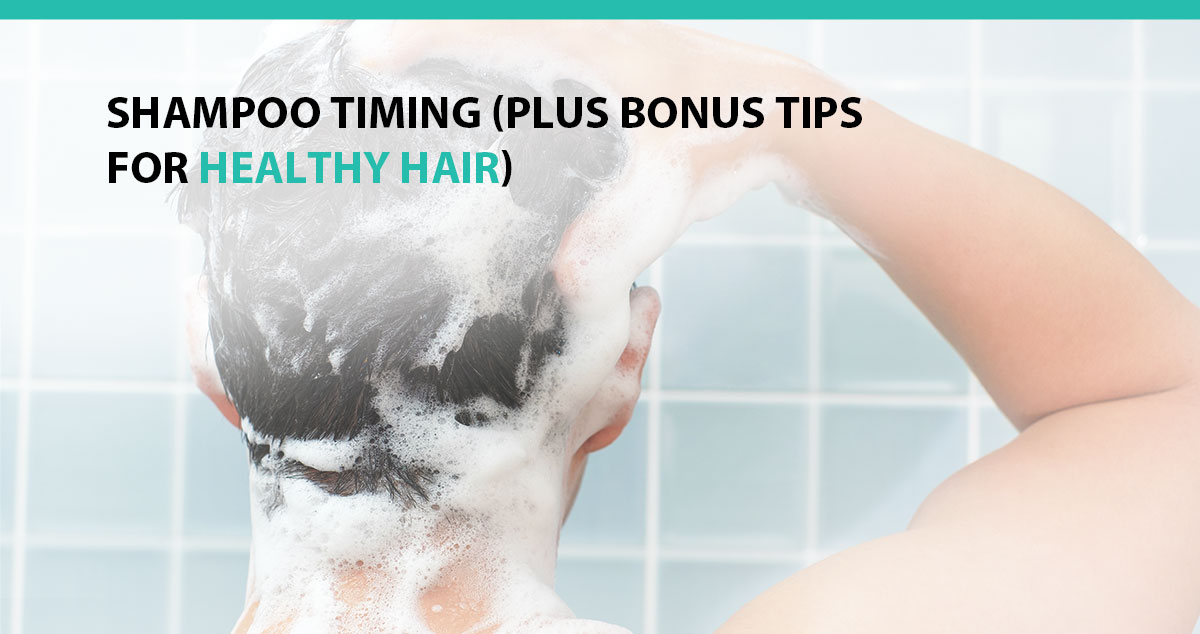
How often should you shampoo your hair? The answer depends on your scalp’s oil production, hair texture, lifestyle, and any existing scalp conditions. People with fine hair or oily scalps may need to shampoo daily, while those with dry, curly, or thick hair often need to wash less frequently. Choosing the right washing routine helps maintain scalp cleanliness while reducing unnecessary dryness and hair breakage.
Shampooing is an important part of maintaining healthy hair, but washing too frequently or using unsuitable products can affect your hair’s condition. On the other hand, waiting too long between washes may allow oil, dead skin cells, and product buildup to accumulate on your scalp.
In this guide, we explain how often to shampoo different hair types, how to wash your hair correctly, and which everyday habits can help maintain healthy-looking hair.
How Often Should You Shampoo Your Hair?
There is no universal shampoo schedule that works for everyone. The ideal frequency depends on how quickly your scalp becomes oily, your hair’s natural texture, and your daily activities.
For example, someone with fine, straight hair and an oily scalp may need to wash their hair every day. Someone with thick, curly, or naturally dry hair may need significantly fewer washes.
Here is a general guide:
| Hair type or scalp condition | Suggested shampoo frequency |
|---|---|
| Fine or straight hair with an oily scalp | Daily or as needed |
| Normal hair and scalp | Every 2 to 3 days, adjusting as needed |
| Dry or coarse hair | Less frequently, according to scalp needs |
| Curly or textured hair | Less frequently, depending on dryness and buildup |
| Oily scalp with heavy perspiration | More frequently when needed |
| Dandruff or scalp conditions | Follow an appropriate medicated shampoo routine |
These are starting points, not fixed medical rules. The American Academy of Dermatology recommends washing according to how quickly hair becomes dirty or oily. For dry, textured, curly, or thick hair, it notes that shampooing may be needed less often, with washing at least once every two to three weeks as needed.
Your scalp condition should always take priority over a generic washing schedule.
How Does Your Hair Type Affect Shampoo Frequency?
Understanding your hair type is one of the easiest ways to build a practical washing routine.
1. Fine or Thin Hair
Fine hair often becomes oily more quickly because natural scalp oils can spread along the hair shaft relatively easily.
This can make fine hair appear flat, greasy, or weighed down.
Recommended approach:
- Shampoo daily or whenever your scalp becomes oily.
- Choose a lightweight shampoo.
- Avoid applying heavy conditioners directly to the roots.
- Use conditioner mainly on the mid-lengths and ends.
- Avoid excessive styling product buildup.
If your hair is thinning, remember that washing frequency does not determine whether you develop hereditary hair loss.
2. Thick or Coarse Hair
Thick and coarse hair may retain less moisture along the hair shaft and can feel dry after frequent cleansing.
People with this hair type often benefit from washing less frequently, depending on their scalp’s oil production and activity level.
Recommended approach:
- Choose a gentle moisturizing shampoo.
- Avoid unnecessarily frequent washing.
- Use conditioner to improve manageability.
- Detangle gently to reduce breakage.
- Adjust your routine if your scalp becomes oily or develops flakes.
3. Curly or Textured Hair
Curly and textured hair can be more susceptible to dryness and breakage because natural oils do not travel as easily along the hair shaft.
Frequent washing with harsh cleansing products may make this type of hair more difficult to manage.
Recommended approach:
- Choose products designed for curly or textured hair.
- Avoid aggressive shampooing.
- Apply conditioner throughout the hair lengths.
- Detangle gently with an appropriate wide-tooth comb.
- Wash when your scalp needs cleansing rather than following a rigid calendar.
4. Oily Scalp
If your scalp becomes greasy shortly after washing, you may need to shampoo more frequently.
Oil production varies between individuals and can also be influenced by age, hormonal factors, and other personal characteristics.
Recommended approach:
- Use a gentle shampoo suited to your scalp.
- Wash as often as needed to control excess oil.
- Apply conditioner primarily to the hair lengths.
- Avoid using excessive amounts of styling products.
Persistent oiliness combined with itching, redness, or flaking may indicate an underlying scalp condition that needs attention.
5. Dry or Sensitive Scalp
A dry or sensitive scalp may feel tight, itchy, or uncomfortable after washing.
Using harsh cleansing products or excessively hot water can make dryness and irritation worse.
Recommended approach:
- Choose a gentle, suitable shampoo.
- Avoid very hot water.
- Use conditioner appropriate for your hair texture.
- Avoid irritating fragrances or ingredients when you know you are sensitive to them.
- Seek advice if itching, redness, or flaking persists.
A dry scalp and dandruff are not necessarily the same condition, so persistent symptoms should be evaluated appropriately.
How to Shampoo Your Hair Correctly
The way you wash your hair matters just as much as how frequently you wash it.
A proper shampooing routine helps remove excess oil, dirt, dead skin cells, and product residue without unnecessarily damaging the hair.
Follow these steps:
Step 1: Wet Your Hair Thoroughly
Before applying shampoo, wet your hair and scalp with comfortably warm water.
Ensure that your hair is thoroughly saturated so the shampoo can spread evenly.
Avoid water that feels uncomfortably hot, particularly if your scalp is sensitive.
Step 2: Apply Shampoo to Your Scalp
Use an appropriate amount of shampoo based on your hair length, thickness, and product instructions.
Apply it primarily to your scalp rather than aggressively rubbing shampoo through the entire length of your hair.
The main purpose is to cleanse excess oil, dead skin cells, and product buildup from the scalp.
Step 3: Massage Gently With Your Fingertips
Use your fingertips to distribute the shampoo with gentle circular movements.
Avoid scratching with your fingernails or aggressively rubbing your scalp.
Gentle cleansing helps remove buildup while reducing unnecessary friction.
Step 4: Rinse Thoroughly
Rinse until the shampoo is completely removed.
Leaving excessive product residue can make hair feel heavy and may contribute to scalp irritation in some individuals.
Step 5: Apply Conditioner
Conditioner helps improve softness, manageability, and detangling while reducing hair-shaft friction.
Apply conditioner according to your hair type:
- Fine or straight hair: Focus on the ends.
- Dry or curly hair: Apply throughout the lengths as appropriate.
- Damaged hair: Consider a conditioning formula designed for fragile hair.
Avoid applying heavy products directly to the scalp when they are not intended for that use.
Step 6: Dry Your Hair Gently
Wet hair can be more vulnerable to mechanical damage.
Instead of rubbing aggressively with a towel, gently wrap your hair in a soft towel or cotton T-shirt to absorb excess water.
Allow it to air-dry when practical, or use a blow dryer on a lower heat setting.
Choosing the Right Shampoo for Your Hair
Not every shampoo is designed for every hair type.
Choosing a product based on your scalp condition and hair texture can help you maintain a suitable cleansing routine.
Moisturizing Shampoo
Moisturizing shampoos are generally suitable for people whose hair feels dry, rough, or difficult to manage.
They can help improve hair softness and reduce the feeling of dryness.
Clarifying Shampoo
Clarifying shampoos are designed to remove accumulated styling products, oils, and residue.
However, frequent use may dry out certain hair types. Follow product directions and adjust usage according to your scalp and hair condition.
Volumizing Shampoo
Volumizing shampoos are commonly formulated for fine hair that becomes flat or weighed down.
They may help improve the appearance of hair volume but do not increase the number of hair follicles or reverse hereditary thinning.
Dandruff Shampoo
People experiencing dandruff may benefit from medicated shampoos formulated for scalp conditions.
Depending on the product, active ingredients can include ketoconazole, selenium sulfide, or other recognized dandruff treatments.
Always follow the product instructions, including how long the shampoo should remain on the scalp.
If symptoms continue despite appropriate use, consult a dermatologist.
Can Dry Shampoo Replace Regular Shampoo?
Dry shampoo is a convenient option for temporarily reducing the appearance of oily hair between regular washes.
It works by absorbing excess oil, helping hair look fresher without requiring a shower.
However, dry shampoo does not replace regular cleansing with shampoo and water.
It does not adequately remove all accumulated oils, dead skin cells, and microorganisms from the scalp.
Using it repeatedly without washing may contribute to product buildup, irritation, breakage, or scalp problems.
Best practices for using dry shampoo:
- Use it as an occasional styling aid between regular washes.
- Follow the product’s directions.
- Avoid applying excessive quantities.
- Wash with regular shampoo and water after one or two dry-shampoo uses.
- Stop using it if you experience irritation or discomfort.
Dry shampoo is useful for convenience, but regular scalp cleansing remains important.
7 Everyday Habits for Healthier Hair
In addition to shampooing correctly, a few everyday habits can help maintain your hair’s condition and reduce avoidable damage.
1. Use Conditioner After Shampooing
Conditioner helps smooth the hair surface, improve detangling, and reduce friction.
This can make hair easier to manage and may help reduce breakage during brushing and styling.
Choose a conditioner according to your hair texture and apply it where your hair needs conditioning.
2. Avoid Excessive Brushing
Brushing can help arrange your hair, but unnecessary or aggressive brushing may cause breakage.
You do not need to brush your hair a fixed number of times every day.
Instead:
- Brush only when needed for styling or detangling.
- Use a suitable brush or wide-tooth comb.
- Work through tangles gently.
- Avoid pulling tightly on the hair.
- Be especially careful when hair is wet.
3. Limit Excessive Heat Styling
Regular use of straighteners, curling irons, and high-temperature blow dryers can weaken hair strands.
To reduce unnecessary damage:
- Use lower heat settings.
- Avoid applying excessive heat to the same section.
- Use appropriate heat-protectant products.
- Give your hair breaks from heated styling.
- Let your hair air-dry when convenient.
These practices can help protect hair condition and reduce breakage.
4. Avoid Hairstyles That Pull on Your Hair
Repeated tension from tight ponytails, buns, braids, and extensions can contribute to traction alopecia.
This condition develops when constant pulling damages hair follicles.
Choose comfortable hairstyles and avoid styles that cause scalp pain or visible tension around your hairline.
5. Maintain Balanced Nutrition
Hair growth requires adequate nutrients to support normal biological functions.
Include a variety of protein sources, vegetables, fruits, whole grains, and healthy fats in your diet.
Iron, zinc, and other nutrients are also important for normal body functions.
However, supplements should not be considered automatic hair-growth solutions. Nutritional testing and professional guidance may be appropriate when a deficiency is suspected.
6. Take Care of Your Scalp
A healthy hair-care routine should also consider the condition of your scalp.
Pay attention to persistent:
- Itching.
- Redness.
- Flaking.
- Unusual irritation.
- Excessive oil buildup.
Use suitable scalp-care products and seek professional advice when symptoms do not improve.
7. Maintain Healthy Lifestyle Habits
Adequate sleep, regular physical activity, balanced nutrition, and appropriate stress management contribute to general health.
Although these habits cannot guarantee prevention of hereditary hair loss, they support overall well-being.
If you notice progressive thinning or unusual shedding, do not rely on lifestyle changes alone. An assessment can help identify the underlying cause.
Does Shampooing Every Day Cause Hair Loss?
For most people, daily shampooing does not directly cause hereditary hair loss or permanently damage healthy hair follicles.
However, excessive washing with harsh products or aggressive rubbing may contribute to dryness and hair-shaft breakage.
It is also normal to notice loose hairs during shampooing. These strands may already have completed their natural growth cycle and become more noticeable when washing.
The important distinction is between hair breakage and follicle-related hair loss.
If you experience persistent excessive shedding, patchy hair loss, or progressive thinning, consider seeking professional medical advice rather than simply changing your shampoo schedule.
When Should You Seek Professional Advice?
Sometimes, changes in hair condition are related to everyday grooming habits. In other cases, they may indicate an underlying scalp or hair-loss condition.
Consider professional evaluation if you notice:
- Progressive thinning around the crown or hairline.
- Persistent excessive hair shedding.
- Sudden patches of hair loss.
- A widening hair part.
- Ongoing scalp redness or inflammation.
- Persistent dandruff or itching.
- Hair thinning that continues despite changes to your hair-care routine.
A professional evaluation can help determine whether the concern is associated with hair breakage, scalp conditions, hereditary hair loss, or another medical factor.
At Advanced Medical Hair Institute, patients can explore personalized hair restoration options based on their individual hair condition and treatment goals.
Frequently Asked Questions About Shampooing
1. How often should I shampoo my hair in a week?
It depends on your scalp and hair type. People with oily scalps may need daily shampooing, while those with dry or curly hair may benefit from less frequent washing. Adjust your routine according to scalp oiliness, buildup, and hair texture.
2. Is it okay to shampoo every day?
Yes. Daily shampooing can be suitable for individuals with oily scalps or fine, straight hair. Choose a gentle shampoo and avoid excessive rubbing or harsh products.
3. Does shampooing too often cause hair loss?
Frequent shampooing does not normally cause hereditary hair loss. However, harsh cleansing and aggressive handling can contribute to dryness and breakage.
4. How often should people with curly hair shampoo?
People with curly or textured hair often benefit from less frequent washing because their hair may be more prone to dryness. However, the scalp still needs appropriate cleansing based on oiliness, product buildup, and scalp condition.
5. Should I apply shampoo directly to my scalp or hair?
Apply shampoo primarily to your scalp. This helps remove excess oil, dead skin cells, and product residue without unnecessarily drying the lengths of your hair.
6. Is conditioner necessary after shampooing?
Conditioner is helpful for most hair types because it improves softness, reduces tangling, and makes hair easier to manage. Choose a formula suited to your hair texture.
7. Can dry shampoo replace regular shampoo?
No. Dry shampoo absorbs excess oil but does not provide the same cleansing as regular shampoo and water. It should be used as an occasional convenience between regular washes.
8. What type of shampoo is best for an oily scalp?
A gentle shampoo suitable for oily hair and scalp is a good starting point. Wash according to your scalp’s needs, and consider professional advice if oiliness occurs alongside persistent itching, redness, or flaking.
9. Can shampoo help hair grow faster?
Regular shampoo mainly cleans the scalp and hair. Some medicated products may help manage specific scalp conditions, but ordinary shampoo is not a proven treatment for increasing the rate of hair growth or reversing hereditary hair loss.
10. When should I see a hair restoration specialist?
Consider an evaluation when you experience progressive thinning, a receding hairline, persistent excessive shedding, or visible changes in hair density. Early assessment may help identify suitable treatment options.
Build a Healthy Hair Care Routine With the Right Guidance
A good shampoo routine should be based on your hair texture, scalp condition, and daily lifestyle rather than following a fixed washing schedule.
Choosing suitable products, shampooing gently, conditioning appropriately, and avoiding excessive heat or tension can help maintain healthy-looking hair and reduce unnecessary breakage.
However, hair thinning and persistent shedding may require more than changes to your hair-care routine.
At Advanced Medical Hair Institute, Dr. Joseph L. Williams and the team provide individualized guidance for people experiencing hair thinning and exploring hair restoration options.
Whether you are looking for advice about hair health or considering a professional restoration treatment, an evaluation can help you understand the approaches available for your individual needs.
Contact Advanced Medical Hair Institute in Las Vegas to discuss your hair restoration concerns and schedule a consultation.
 ICONIER Digital Agency