



We’ve all heard the phrases “A stitch in time saves nine” and “An ounce of prevention is worth a pound of cure.” If you’ve ever ignored that odd clanking noise in your car or put off a dentist appointment for that barely-there toothache, you already know how quickly a small issue can snowball into something big… and expensive.
Hair loss follows a similar path.
Your Hairline Is Whispering… Are You Listening?
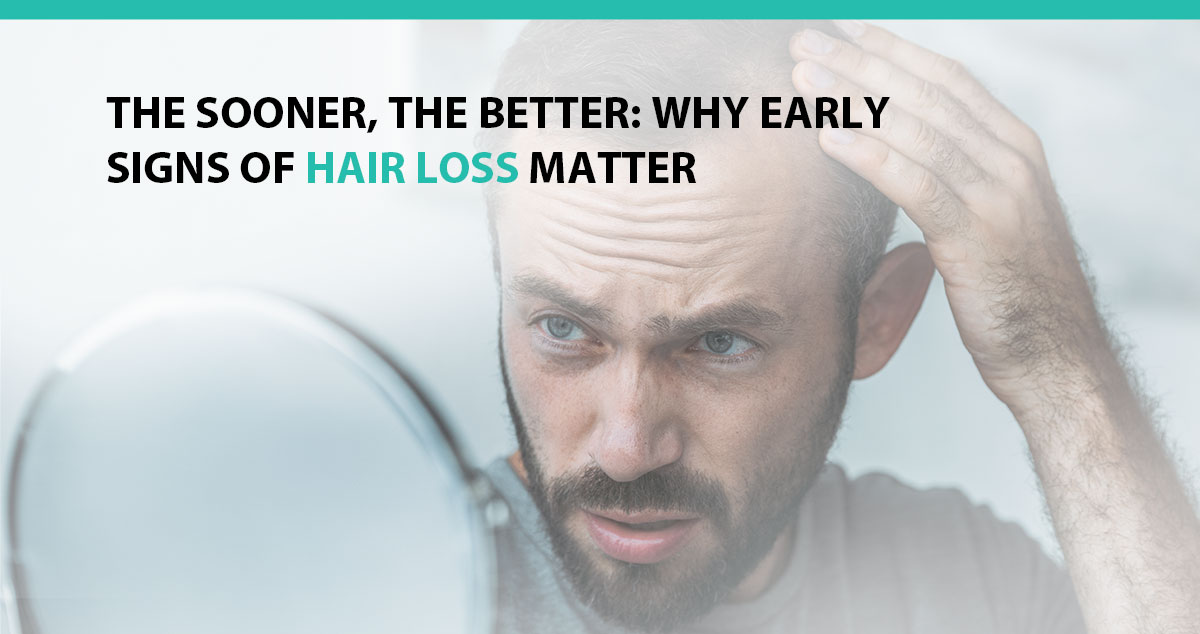
Hair doesn’t suddenly disappear overnight. It often starts with subtle cues: a slightly wider part, more strands in the shower drain, or a receding hairline that’s hard to ignore in selfies. These are not just aesthetic changes; they’re your body’s version of a warning light on the dashboard.
Ignoring these early signs can limit your future options. Much like how a mechanic can often patch up brake pads before they grind down to the rotors (costing you ten times more), your hair restoration path is usually easier, less invasive, and more affordable the sooner you take action.
Early Intervention: Everyday Wisdom That Applies to Hair Too
These all make perfect sens, yet we procrastinate anyway:
- Cars: You wouldn’t wait for your brakes to fail completely before getting them checked, right? When the first squeal hits, it’s inspection time.
- Skin: Notice a new or darkening mole? A quick dermatology check could mean the difference between a tiny outpatient procedure and something far more serious.
- Teeth: That dull ache in your molar might be a simple filling now, but ignore it, and you’re headed for a root canal or an extraction.
Each of these examples shares one truth: early detection = more (and better) options.
Hair loss is no different. Whether it’s due to genetics, stress, poor nutrition, hormonal changes, or environmental damage, the sooner the root cause is identified, the more effectively it can be addressed.
The Consultation That Could Save Your Hair
At Advanced Medical Hair Institute, we believe knowledge is empowerment, and that begins with a consultation. Dr. Joseph L. Williams, our Medical Director, brings over 15 years of precision artistry and medical expertise to the table. But what really sets his consultations apart is not just what he tells patients, but what he might tell them not to do.
If your hairline is still developing or you’re experiencing temporary hair shedding due to a nutritional deficiency or stress, Dr. Williams may recommend waiting or trying non-invasive treatments, such as topical medications, supplements, or lifestyle changes, first. Hair transplants are powerful tools, but timing is everything. Use it too early, and you might waste precious donor hair or set yourself up for uneven regrowth as your pattern evolves.
In other words, he’s not here to sell you surgery as the only solution. He’s here to guide you toward what’s truly best for your hair and your future.
What You Can Do Right Now
If you’re beginning to notice changes, here are a few things you can do immediately to help your hair:
- Boost Your Nutrition: Hair is built on protein. A deficiency can weaken follicles, reduce elasticity, and cause strands to become limp, frizzy, or brittle. If your hair feels stringy or has split ends, your diet might need an upgrade. Foods rich in protein, omega-3s, iron, and vitamins like biotin and D3 are your friends.
- Hydrate: Your scalp is skin, and just like dry skin can crack, a dry scalp can lead to flaking and hair breakage. Drink more water. Your hair will thank you.
- Manage Stress: Chronic stress triggers hormonal changes that can speed up hair loss. Deep breathing, daily walks, or even just setting aside screen-free time can help restore balance.
- Gentle Styling: Tight ponytails, harsh chemicals, and excessive heat can worsen early hair loss. Try protective styles, natural products, and a cooler blow-dryer setting.
- Exercise Regularly: Good circulation is great for your scalp. Aim for 30 minutes of movement most days to help feed those follicles.
The Numbers Behind the Hairline
Up to 42% of men experience some degree of hair loss. Among men 40–49, the number climbs to over 50%. And while we often hear more about male hair loss, many women also struggle, especially after childbirth, menopause, or significant stress. It’s not just a vanity issue, it’s a confidence one, and that matters.
And yes, DHT (Dihydrotestosterone) is often the culprit. This hormone shrinks hair follicles and shortens their growth cycle, primarily impacting the crown, temples, and hairline. Thankfully, transplanted hair (usually taken from the back or sides of the head) retains its resistance to DHT, making transplants an enduring solution for many.
A Note for the Younger Crowd
If you’re in your early 20s and already seeing signs of thinning, you’re not alone, but you also shouldn’t rush into surgery. Your hairline may not have fully matured, and jumping the gun could lead to disappointment later. Dr. Williams often advises young patients to try medical therapies or laser treatments first and wait for a more stable picture to emerge.
What Are We Saying?
Hair loss can feel like something to hide, but the truth is, ignoring it is the real mistake. Catching it early gives you a broader toolbox of options: from lifestyle adjustments and non-surgical treatments to precision hair transplants when the time is right.
So the next time you spot a few more hairs on your pillow or feel unsure about what’s happening to your once-thick hairline, don’t delay. Schedule a consultation. You may not need a transplant, but you do need answers.
At Advanced Medical Hair Institute, we’re here to help you make the most informed, personalized, and confident decision about your hair. Because, like most things in life, sooner is smarter.