


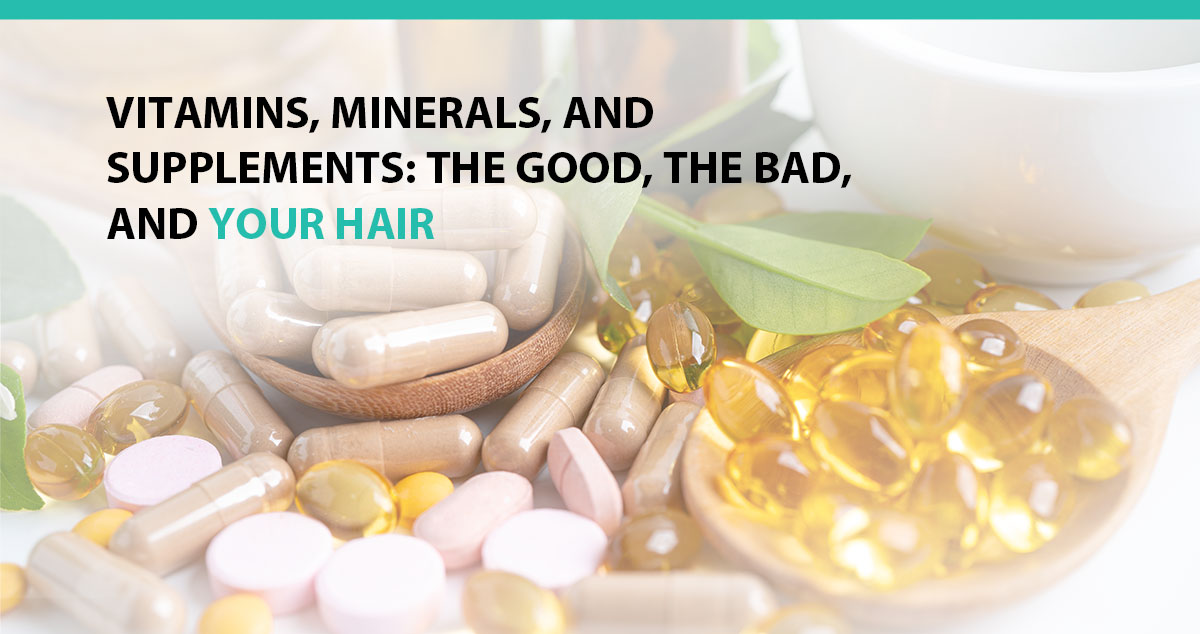
When it comes to hair growth, diet and supplementation can make a noticeable difference. Just as some nutrients stimulate follicles and protect against breakage, others can slow down growth or even worsen thinning. Knowing which is which is essential for anyone serious about maintaining or restoring their hairline.
Nutrients That Help Hair Thrive
Protein: The Building Block of Hair
Your hair is primarily made of keratin, a protein built from amino acids. Without enough protein, follicles can’t produce strong, healthy strands. Signs of deficiency include stringy, limp, or brittle hair. High-quality protein sources like eggs, fish, shrimp, legumes, and nuts help maintain volume and shine. Supplements like whey protein can also help, though it’s best to confirm with your physician before starting them.
Omega-3 Fatty Acids
Essential fatty acids play a crucial role in reducing scalp inflammation, nourishing follicles, and moisturizing the scalp. Sources include salmon, mackerel, flaxseeds, chia seeds, walnuts, and algal oil supplements. Studies show omega-3s can enhance hair elasticity and circulation, making strands more resilient.
Biotin (Vitamin B7) and Other B Vitamins
Biotin has earned its reputation for supporting keratin production, but it works best alongside other B vitamins. Together, they improve cellular energy, support scalp blood flow, and help reverse shedding caused by deficiencies. Biotin-rich foods include eggs, almonds, and whole grains.
Iron and Zinc
Iron delivers oxygen to hair follicles, while zinc regulates oil glands and supports cell growth. Low iron levels (especially common after pregnancy or weight loss) often lead to diffuse shedding. Red meat, spinach, and fortified cereals can help restore balance. Zinc, found in shellfish, nuts, and beans, helps prevent brittleness and breakage.
Vitamin D
Known as the “sunshine vitamin,” Vitamin D helps wake up dormant follicles. Research links deficiency with telogen effluvium, a condition where hair prematurely enters the shedding phase. Safe sun exposure or supplements can restore levels in most people.
Caffeine (In Moderation)
Topical caffeine shampoos and serums have been shown to stimulate follicles directly by improving circulation. While moderate intake supports hair health, over-consumption of coffee can have the opposite effect (more on that below).
Supplements and Habits That Can Harm Hair
Excessive Caffeine
While caffeine in topical products boosts follicles, drinking too much can raise cortisol levels, shorten the hair growth cycle, and contribute to shedding. Moderation is key: one or two cups of coffee a day may help, but four or more can work against you.
Too Much Vitamin A
Vitamin A is necessary in small amounts for cell growth, but too much can trigger hair loss. Many high-dose skin supplements or retinoid medications contain excess Vitamin A, so always check your labels.
Crash Dieting and Over-Supplementation
Rapid weight loss or overuse of “miracle” supplements can strip the body of nutrients like iron, zinc, and protein. This is why many post-weight-loss patients experience sudden shedding. The solution? Focus on balanced nutrition rather than extreme measures.
Medications and Hormonal Imbalances
Certain supplements and medications alter hormones. For men with androgenetic alopecia, the hormone DHT (dihydrotestosterone) is the main culprit. Research shows drugs like finasteride and dutasteride, which inhibit the enzyme 5α-reductase that converts testosterone to DHT, can significantly improve hair density. But other supplements that unintentionally increase DHT may exacerbate thinning if not properly managed.
The Takeaway
Balanced nutrition supports strong, healthy hair, but too much of a good thing, or the wrong supplement, can backfire. If you’re considering vitamins or medications for hair health, guidance from a trained medical professional is the way to go.
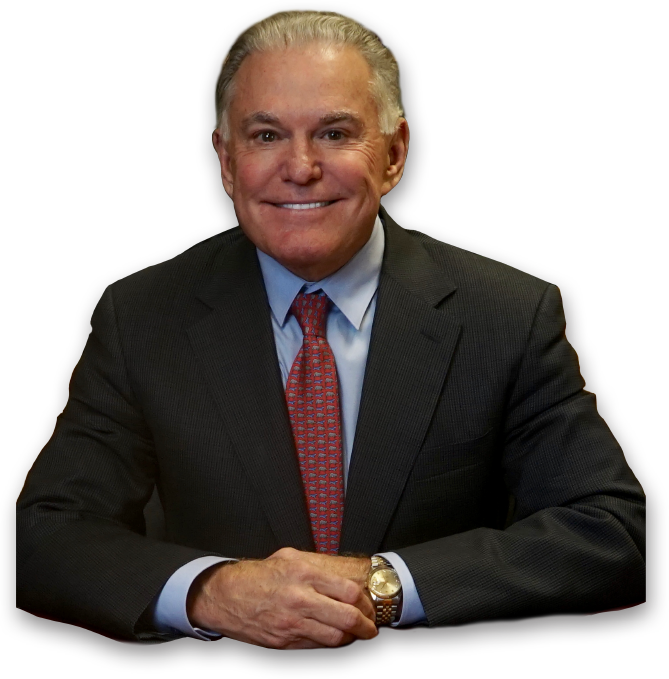
At Advanced Medical Hair Institute, Dr. Joseph L. Williams, MD, FACS, FAACS, brings over 15 years of expertise in FUT, FUE, LLLT, and SMP. He understands how nutrition and medical therapies work hand-in-hand with restoration procedures for long-lasting results. And remember to ask about Hair MD Rx.
Call us today at 702-257-0888 (Las Vegas) or toll-free at 888-357-0888 to schedule a consultation and learn which approach is right for you. Your hair deserves nothing less than personalized, professional care.